Who are the authors behind Progressive Dispensationalism? The answer is not as simple as naming three scholars, though it usually starts there. Darrell L. Bock, Craig A. Blaising, and Robert L. Saucy are the principal architects and public voices of the movement. But behind them stands a wider network of exegetes, theologians, and sympathetic interpreters who helped shape, defend, or extend its core insights.
This article maps that landscape in three concentric circles: the founding spokespersons, a broader group of contributors, and contemporary scholars whose work runs close to the progressive dispensational stream.
Main Authors (Primary Spokespersons)
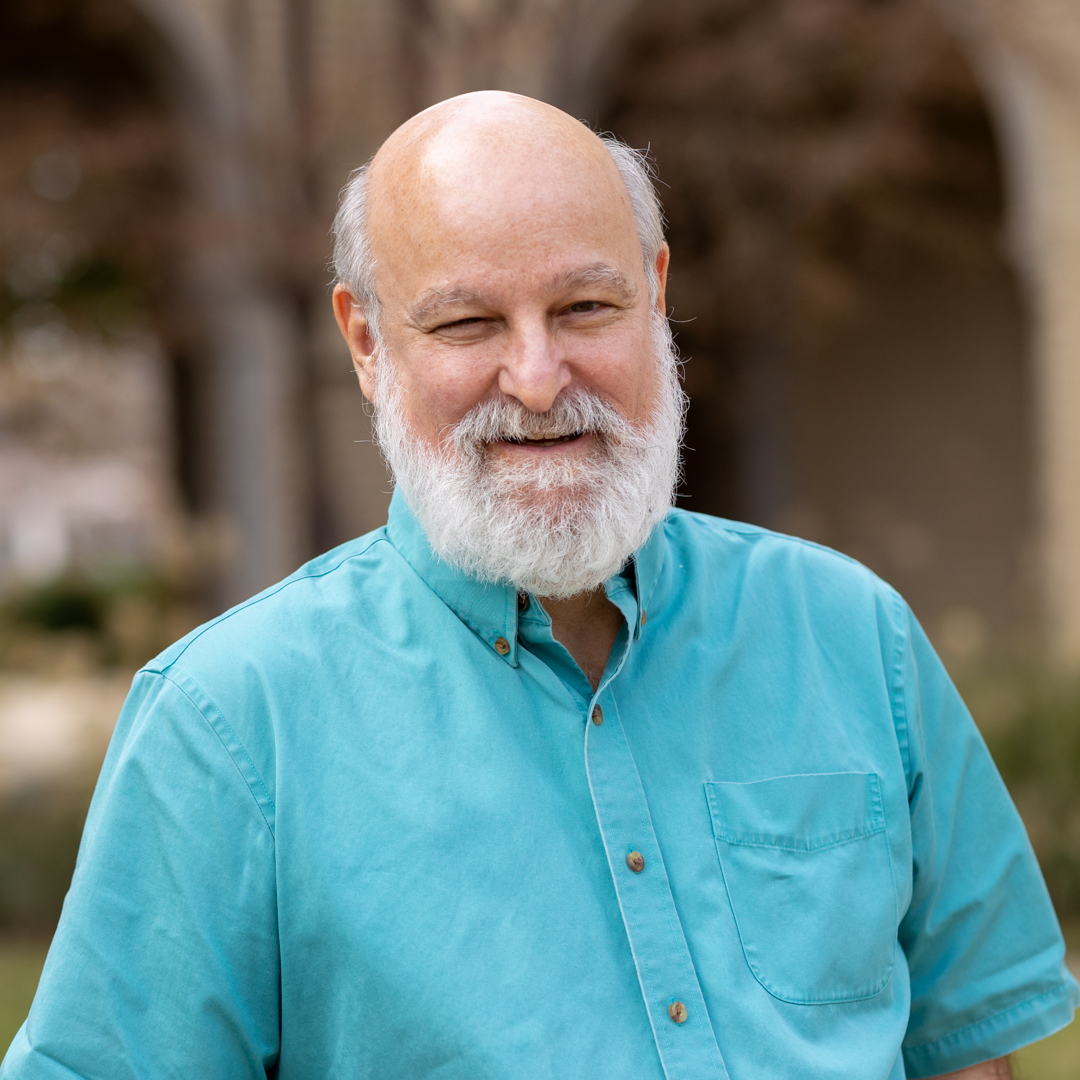
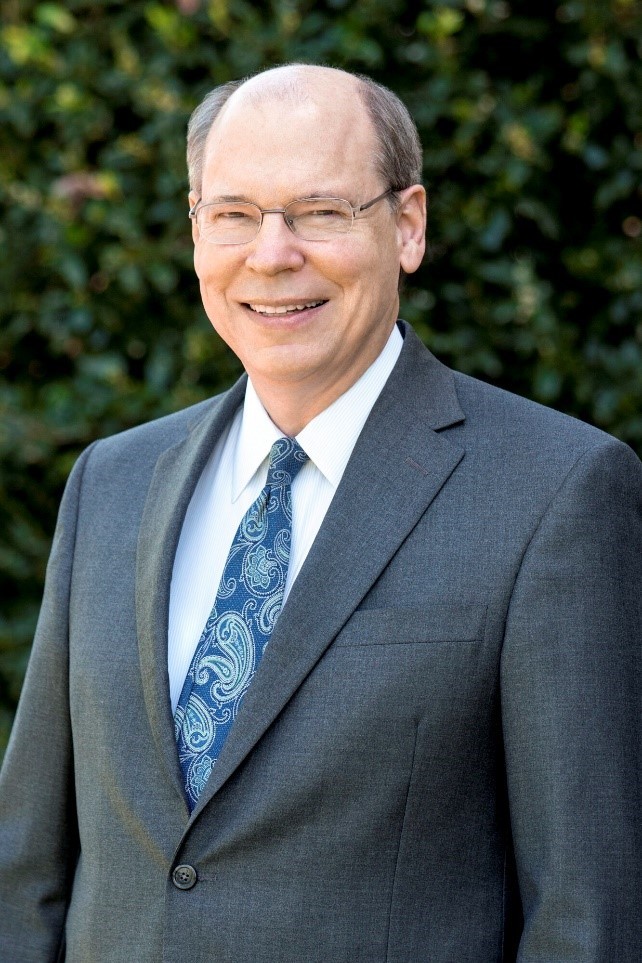
👤 Darrell L. Bock — Dallas Theological Seminary (Senior Research Professor of New Testament). He co-authored Progressive Dispensationalism (1993) with Craig Blaising and co-edited Dispensationalism, Israel and the Church (1992), one of the foundational books of the movement.
👤 Craig A. Blaising — Southern Baptist Theological Seminary (Senior Professor; retired from Dallas Theological Seminary). His co-authorship of Progressive Dispensationalism (1993) made him one of the movement's defining voices, and more recently he has proposed "Kingdom Theology" as a new way of describing the same theological project.
👤 Robert L. Saucy — Talbot School of Theology, Biola University (deceased 2015). Saucy was one of the most important systematic theologians associated with Progressive Dispensationalism. His The Case for Progressive Dispensationalism (1993) remains one of the central expositions of the view, and his contribution to Dispensationalism, Israel and the Church (1992) helped establish the movement's theological foundation.
Other Authors and Contributors
👤 David L. Turner — Grand Rapids Theological Seminary (Professor of New Testament, retired). A respected New Testament scholar and author of the Baker Exegetical Commentary on Matthew, Turner contributed to Dispensationalism, Israel and the Church (1992), especially in relation to the unity of Jew and Gentile in Christ.
👤 Michael J. Vlach — Shepherds Theological Seminary (Professor of Theology). Vlach has described himself as a "revised-progressive" dispensationalist. While he maintains a strong future for ethnic Israel, he also affirms church participation in covenant blessings and has shown real sympathy toward themes developed within Progressive Dispensationalism. In a recent article in JBTS, volume 9, Vlach identified himself as a Progressive Dispensationalist, which makes him an important contemporary voice to place near this broader stream.
👤 Bruce A. Ware — Southern Baptist Theological Seminary (Professor of Christian Theology). Ware contributed the essay "The New Covenant and the People(s) of God" to Dispensationalism, Israel and the Church (1992), engaging one of the most important questions in the progressive dispensationalist debate.
👤 Carl B. Hoch, Jr. — Formerly Grand Rapids Baptist Seminary. Hoch contributed to the discussion of Jew-Gentile unity in Dispensationalism, Israel and the Church (1992), especially in connection with Ephesians 2 and the "new man" theme.
👤 W. Edward Glenny — Central Baptist Theological Seminary. Glenny contributed the essay on the Israelite imagery of 1 Peter 2 in Dispensationalism, Israel and the Church (1992), addressing the relationship between Israelite language and the church.
👤 J. Lanier Burns — Dallas Theological Seminary (Research Professor of Theological Studies). Burns contributed the essay on the future of ethnic Israel in Romans 11 to Dispensationalism, Israel and the Church (1992), a crucial theme for any dispensational framework.
👤 David K. Lowery — Dallas Theological Seminary (Professor of New Testament Studies, retired). Lowery contributed the essay on Romans 10:4 in Dispensationalism, Israel and the Church (1992), dealing with Christ, the law, and redemptive-historical fulfillment.
👤 Kenneth L. Barker — NIV Translation Center (formerly Dallas Theological Seminary). Barker contributed the essay on the scope and center of Old and New Testament theology and hope in Dispensationalism, Israel and the Church (1992), helping frame the larger biblical-theological context.
👤 C. Marvin Pate — Ouachita Baptist University (Professor of Biblical Studies). Pate has often been identified as a modified futurist and as broadly progressive dispensationalist, especially in relation to inaugurated eschatology. His The End of the Age Has Come (1995) applies inaugurated eschatology to Paul's theology, although his current position appears more eclectic than the classic formulations of Progressive Dispensationalism.
👤 Mark Saucy — Talbot School of Theology, Biola University. As the son of Robert L. Saucy and a faculty member at Talbot, Mark Saucy represents an important line of continuity with the broader Talbot stream associated with progressive dispensational thought, even if his own work is not identical in focus to his father's.
👤 Judith Mendelsohn Rood — Professor emerita of history and Middle East studies at Biola University. She studied under Robert L. Saucy and was influenced by his theology. She is the author of Beauty for Ashes: Understanding the Israel-Hamas War (2024), and in chapter 6 she sets out her progressive dispensational perspective, which makes her a relevant adjacent voice within this broader theological stream.
👤 John A. Martin — Dallas Theological Seminary (former faculty). Martin contributed to the dispensational tradition through teaching and biblical exposition and is especially notable for articulating readings that often resonate with progressive dispensational concerns.
👤 Herbert W. Bateman IV — Grace Theological Seminary; formerly Dallas Theological Seminary. Bateman edited Three Central Issues in Contemporary Dispensationalism (1999), a major dialogue between traditional and progressive dispensationalists, and has contributed significantly to the exegetical side of the broader discussion.
👤 Steven L. James — Former President of Telos School of Theology; former editor of Journal of Dispensational Theology. James is a more recent voice whose New Creation Eschatology and the Land (2018) defends the territorial particularity of Israel's land promises within a new creation framework from a progressive dispensational perspective.
Friendly to PD / Sympathetic
👤 Michael S. Svigel — Dallas Theological Seminary (Department Chair and Professor of Theological Studies). Svigel's work is sympathetic to Progressive Dispensationalism, especially in his emphasis on creation, restoration, and the broader Kingdom theme.
👤 Glenn R. Kreider — Dallas Theological Seminary (Professor of Theological Studies). Kreider teaches dispensationalism at DTS and co-edited Dispensationalism and the History of Redemption (2015) with chapters by Bock and Blaising. His emphasis has often been on what unites dispensationalists rather than what divides them, which makes him an important sympathetic voice in the contemporary discussion.
Conclusion: The Two Triads of Progressive Dispensationalism
Progressive Dispensationalism may be helpfully understood through two triads. The first is the triad of its founding authors: Darrell L. Bock, Craig A. Blaising, and Robert L. Saucy. These are the three names most directly associated with the public articulation and theological defense of the movement.
The second is the triad of its foundational books. Anyone who wants to understand Progressive Dispensationalism seriously must pass through these three works:
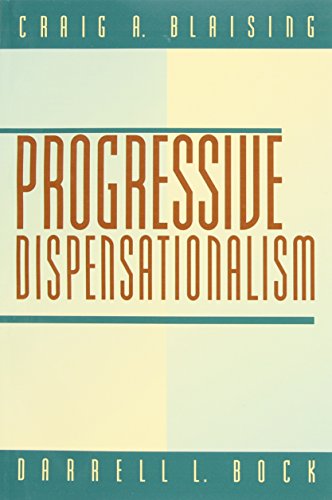
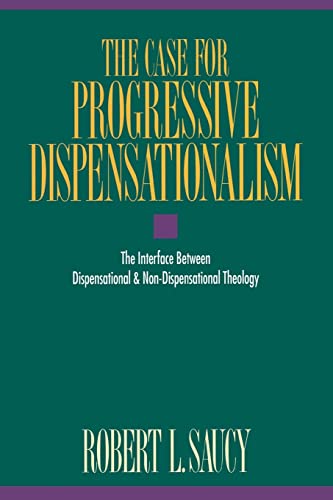
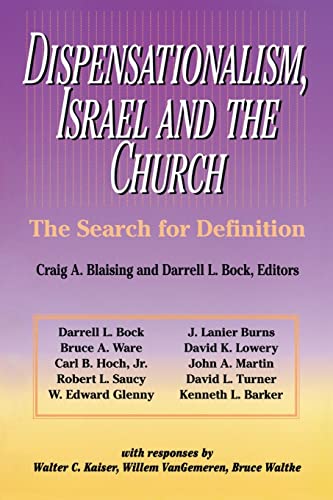
Blaising and Bock authored the first volume; Saucy wrote the second; Bock and Blaising edited the third.
Taken together, these two triads provide the clearest entry point into the movement: three principal authors and three foundational works. Even so, the broader circle of contributors still matters. Authors such as Turner, Ware, Bateman, James, Judith Mendelsohn Rood, and now Vlach help show that Progressive Dispensationalism is not merely a closed historical moment but a broader and still-influential theological stream. I also recommend the works of Svigel and Kreider, who do not identify as progressives but engage the tradition very well.
FreeRequest: Matthew 24:4–31 — Chronology in Dispensationalism
The chronological view of more than 60 dispensational authors on Matthew 24 — request it by email below.
Enter your email and we will send the PDF as an attachment. See our privacy policy.
Frequently Asked Questions
Who are the main architects of Progressive Dispensationalism?
Is Progressive Dispensationalism limited to only three authors?
Which contemporary scholars are broadly sympathetic to Progressive Dispensationalism?
Author
Leonardo A. Costa
A researcher and writer exploring dispensationalism from a progressive perspective, with a deep appreciation for the tradition's heritage.
Related Articles
The Tabernacle of David, the Gentiles, and Progressive Dispensationalism: How James Read Amos in Acts 15
James cites Amos in Acts 15 to prove Gentiles enter as Gentiles—not analogy but staged fulfillment. A Progressive Dispensationalism reading.
Traditional Dispensationalism and Replacement Theology: An Unexpected Convergence
Traditional dispensationalism and replacement theology travel by different routes but arrive at the same practical destination — dispossessing Israel of her.
The True Essence of Progressive Dispensationalism
Progressive dispensationalism is best understood as God's progressive restoration of the original Kingdom through the covenants, Messiah, millennium.
Acts 1:6 Reconsidered: A Progressive Dispensationalist Case Against Total Postponement
A Progressive Dispensationalist reading of Acts 1:6 arguing that the text does not support total postponement of the Messianic Kingdom, only the deferral.